The Real Spicy Truth : Exploring the 4 Main Types of Cinnamon
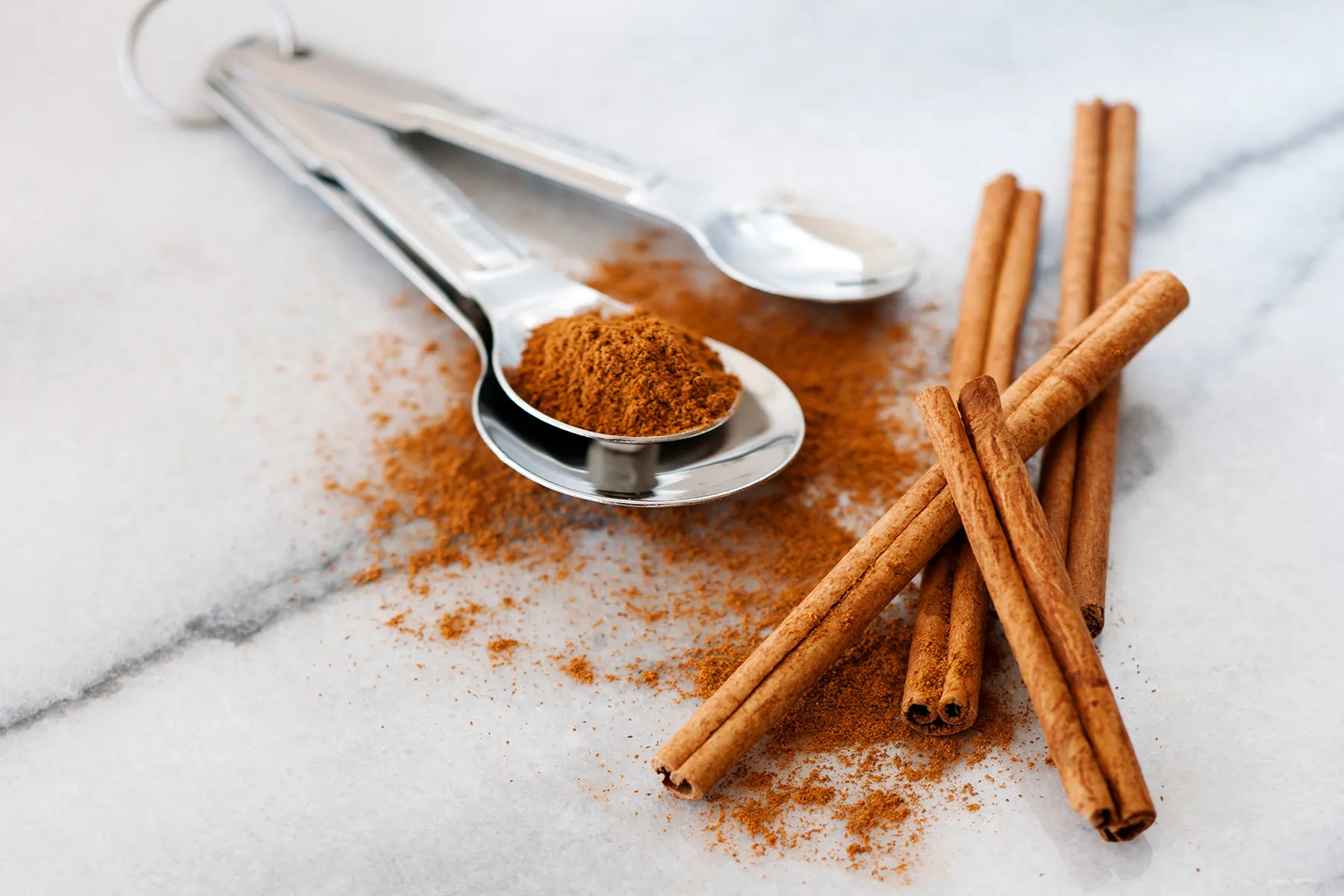
When it comes to cinnamon, most of us assume it’s just a simple spice. However, there’s more to this ancient spice than meets the eye. Did you know there are four primary types of cinnamon, each with its unique characteristics and benefits?

Types of Cinnamon
- Ceylon Cinnamon (True Cinnamon)
Native to Sri Lanka, Ceylon cinnamon (Cinnamomum verum) is considered the gold standard. Its lighter color, thinner bark, and sweeter flavor make it a favorite among chefs and health enthusiasts. Ceylon cinnamon is easier to grind and has a more delicate aroma.
Grown in southeastern Asia, cassia cinnamon (Cinnamomum aromaticum) is the most commonly sold type in the United States. Its darker color, thicker bark, and stronger flavor make it a popular choice for baking and cooking.
Indonesian cinnamon (Cinnamomum burmannii) is native to the island of Sumatra and has a sweeter, more delicate flavor than cassia. Its lighter color and thinner bark make it a popular choice for culinary uses.
Malabar cinnamon (Cinnamomum malabatrum) is native to India and has a distinct, slightly sweet flavor. Its thicker bark and darker color make it a popular choice for traditional medicine.
What’s in Your Cinnamon?
Thease are the Four Main Types of Cinnamon
The cinnamon you buy at the store might be one of these two main types or a blend. While Ceylon cinnamon is considered superior in terms of flavor and health benefits, cassia cinnamon is often used due to its availability and affordability.
Health Benefits : Ceylon vs. Cassia these 2 Types of Cinnamon
Research suggests Ceylon cinnamon has more pronounced health benefits, including:
- Lower coumarin levels (a potential toxin)
- Higher antioxidant properties
- Improved insulin sensitivity
However, more research is needed to confirm these findings.
Conclusion
The next time you sprinkle cinnamon on your oatmeal or bake with it, remember the diverse world of cinnamon. Experiment with different types to find your favorite, and consider the potential health benefits of Ceylon cinnamon.